Climate Change

Climatechangemainpic1_0_33.jpg
Climatechangemainpic2.JPG

Climate change poses a serious challenge to future prosperity and sustainable development in the GMS. It puts at risk current rapid economic development, poverty reduction efforts and biodiversity conservation objectives.

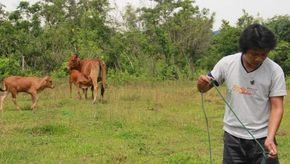
The GMS is particularly vulnerable because many key sectors, such as agriculture, are dependent upon sensitive natural resources including crops, livestock, forests, water resources, biodiversity and other ecosystem services. This vulnerability is likely to be exacerbated by increasing weather variability, extreme weather events and changes to rainfall patterns and agricultural zones. Rural poor populations in the GMS face a particularly uncertain future as most lack adequate social safety nets to cope with the anticipated impacts.

Climate change responses are increasingly being integrated into all CEP-BCI work. The aim is to build GMS capacity to assess climate change risks and vulnerability and institutionalize climate change considerations into corridor and sector planning. The two main areas of focus have been:

  1. Climate change adaptation – strengthening climate change risk and vulnerability assessment capacity, focusing on ecosystem services, livelihoods, and productive sectors such as agriculture and tourism.
  2. Climate change mitigation – reducing CO2 emissions from land use changes and from sectors such as energy and transport.

Application so far: Adaptation and Mitigation

The implementation of the CEP-BCI over the past four years has provided important opportunities to integrate climate change within sector planning, conservation and livelihood development, improve awareness, as well as boost environment monitoring.

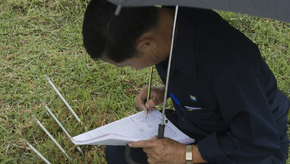
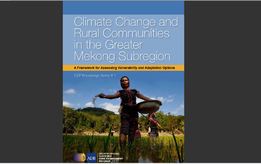
Adaptation work has focused on developing a replicable framework for the participatory assessment of climate change risks for rural communities living in GMS biodiversity conservation corridors. These assessments enable appropriate adaptation interventions to be identified and will help guide their implementation.

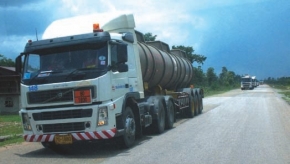
Mitigation activities have so far focused on ensuring energy efficiency in the transport and energy sectors by testing and promoting low carbon interventions. Also, CEP-BCI has recently begun work on building Reducing Emissions from Deforestation and forest Degradation (REDD+) readiness capacity in Lao PDR, Thailand and Vietnam. In particular, the program has investigated participatory carbon monitoring and local benefit distribution systems.

Achievements and future directions

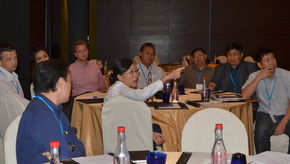
CEP-BCI’s climate change work is contributing to the GMS knowledge base on both adaption and mitigation. In particular the program has established strong partnerships and knowledge sharing with GMS country universities and institutes and is strengthening policy and science linkages in the subregion. Under the program, a framework for assessing climate change risks for agrarian communities has been tested and is ready for piloting. A concept for a low carbon sector initiative ‘Carbon Neutral Transport Corridors’ has been developed and will also be piloted.

Click here to find out more about these activities and other CEP-BCI work on climate change.

Expand to see more